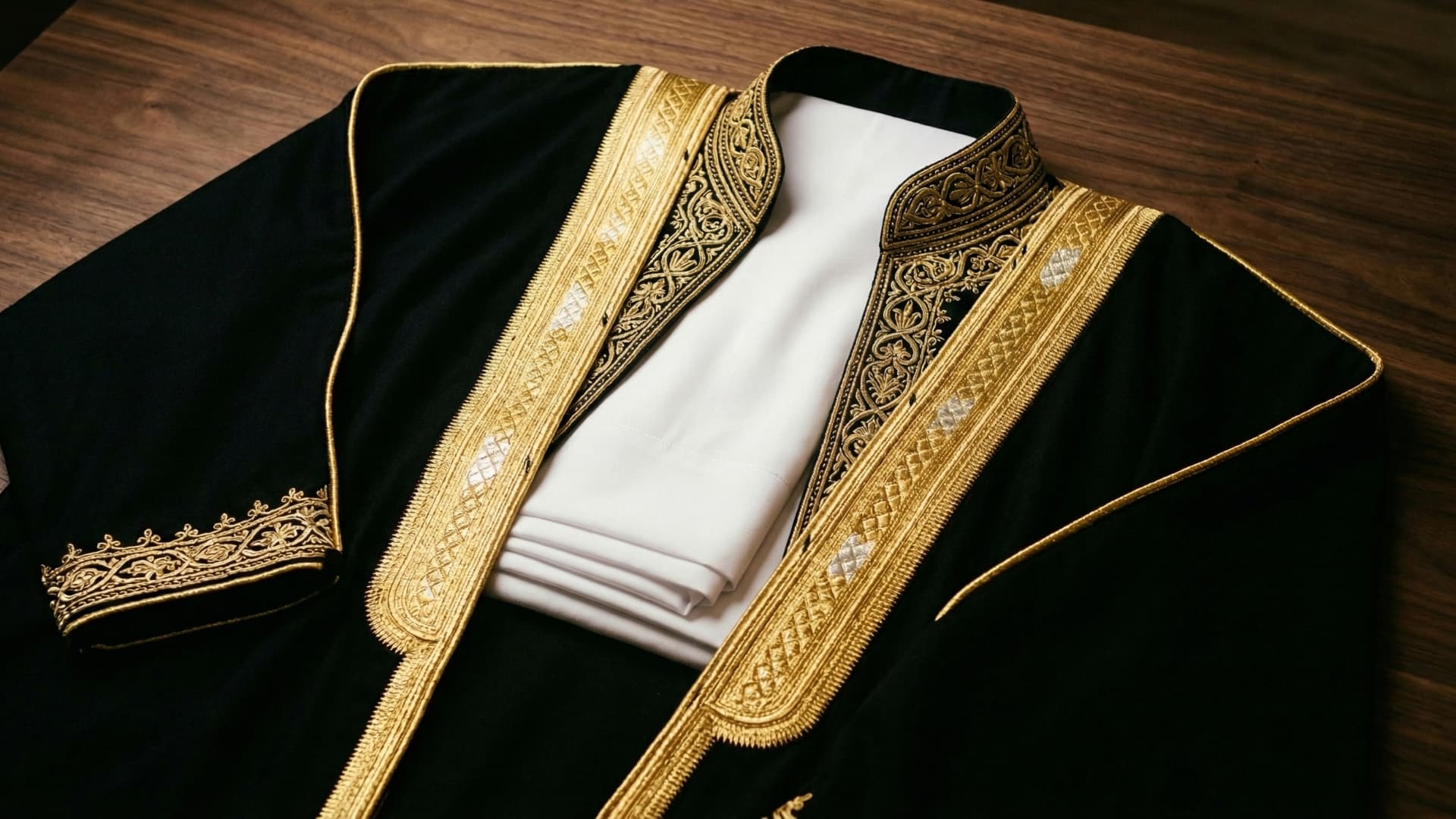
البيشت: لباس يحمل وزنًا أكبر من قماشه
Shabab Al Yola Teams
Table of Contents
Table of Contents
البيشت: لباس يحمل وزنًا أكبر من قماشه
عندما يدخل رجل إلى غرفة وهو يرتدي البيشت، يحدث تغيير ملحوظ. ينتاب الحاضر شعور فوري بالمناسبة، بالمكانة، وبالتقاليد. هذه العباءة الطويلة المتدفقة ارتداها الرجال العرب لقرون، ولا تزال تحمل نفس الوزن اليوم في التجمعات الملكية، وحفلات الزفاف، ومراسم التخرج، ولحظات ذات أهمية ثقافية عميقة.
ومع أن البيشت معروف على نطاق واسع، إلا أن الكثير من الناس، بما في ذلك من يرتدونه بين الحين والآخر، لا يفهمون تمامًا أصله، وما الذي يجعل منه قطعة جيدة، أو متى يكون من المناسب ارتداؤه. يغطي هذا الدليل كل ذلك في مكان واحد.
نظرة سريعة على تاريخ البيشت
يرجع أصل البيشت إلى العالم العربي القديم، حيث كان يُستخدم كعباءة خارجية يرتديها الرجال ذوو المكانة والنفوذ. كانت القبائل الصحراوية ترتدي نسخًا منه كطبقة عملية فوق ثيابهم، لكن مع مرور الوقت تطورت القطعة من ملابس عملية إلى علامة على الوضع الاجتماعي.
بحلول فترة الخلافات الإسلامية المبكرة، أصبح البيشت مرتبطًا ارتباطًا وثيقًا بالعلماء، وزعماء القبائل، والشخصيات الدينية. كان الحكام يرتدونه خلال المراسم. القضاة ارتدوه في المحاكم. الرجال الأثرياء ارتدوه في التجمعات للإشارة إلى مكانتهم داخل المجتمع.
لم تختفِ تلك الصلة بالهيبة أبدًا. اليوم، يظل البيشت أحد أكثر الألبسة التي تحمل وزنًا اجتماعيًا في الخليج، ينتقل عبر الأجيال، يُهدا في المناسبات الحياتية المهمة، ويُرتدى في اللحظات التي تهم.
ما هو البيشت فعليًا
في أبسط صوره، البيشت هو عباءة خارجية طويلة تُرتدى فوق قندورة أو ثوب. يفتح من الأمام، يصل إلى الكاحل، وعادةً ما يُصنع من الصوف، أو شعر الإبل، أو خلطات صناعية دقيقة تحاكي وزن وانسياب الألياف الطبيعية.
ما يميز البيشت عالي الجودة عن العادي هو التطريز. الزخرفة على الحواف، المعروفة باسم الزري، تُصنع بخيط ذهبي أو فضي وتُعد من أهم مؤشرات الجودة والحرفية. كلما كان التطريز أدق وأضيق، احتفظ بلمعانه لفترة أطول مقارنةً بالبدائل الآلية الأرخص.
القصّة أيضًا مهمة. البيشت المصنوع جيدًا ينساب بسلاسة من على الكتفين، يثبت بشكل متساوٍ عند الحافة، ولا يتجمع أو يجر عندما يتحرك الارتداء. هذه التفاصيل تفرق بين قطعة صُنعت بعناية وأخرى تبدو كبيشت من بعيد فقط.
الألوان وما تدل عليه
ألوان البيشت تحمل معانٍ، ومعرفة الفرق يساعدك على اختيار اللون المناسب للمناسبة المناسبة.
الأسود هو اللون الأكثر شيوعًا وتنوعًا. يناسب المناسبات الرسمية، والسهرات المسائية، والاستخدام اليومي بين من يرتدون البيشت بانتظام. الأسود مع حافة ذهبية هو تركيبة كلاسيكية وتُعتبر على نطاق واسع الأكثر فخامة.
البني والبيج يرتبطان تقليديًا بالقبائل والسياقات الأكثر عفوية. يحملان إحساسًا دافئًا وترابيًا ويعملان جيدًا للتجمعات النهارية والمناسبات غير الرسمية.
الكريمي والبياض المائل للصفرة يُحجز عادةً للزفاف والاحتفالات الكبيرة. يعكسان النقاء والبهجة وغالبًا ما يختارهما العرسان أو الرجال ذوو الشرف في المناسبات العائلية الكبرى.
الأخضر الداكن يظهر أقل تكرارًا لكنه يحمل دلالة في السياقات الدينية والعلمية، خصوصًا في المناطق ذات الروابط العميقة بالتقاليد الإسلامية.
متى يجب ارتداء البيشت فعليًا؟
هذا هو السؤال الذي يخطئ فيه معظم الرجال، وعادةً ما يتجه إلى أحد الاتجاهين: ارتداؤه بشكل عفوي يقلل من أهميته، أو معاملته كقطعة ثمينة لا تُخرجها أبدًا من الخزانة.
البيشت يخص المناسبات الرسمية والاحتفالية. وتشمل:
الأعراس — يُتوقع ارتداء البيشت في الأعراس الإماراتية للرجال ذوي المكانة، ويظهر ارتداؤه احترامًا للمناسبة ولعائلة المضيف. العرسان غالبًا ما يرتدون واحدة، وكبار الأقارب الذكور أيضًا.
مراسم التخرج — يرتدي الخريجون في جميع أنحاء الخليج البيشت فوق رداءهم الأكاديمي إشارةً إلى التقاليد وعلامةً على الإنجاز.
احتفالات اليوم الوطني — يُعد اليوم الوطني لدولة الإمارات أحد أكثر المناسبات التي يظهر فيها البيشت بأعداد كبيرة. يرتديه الرجال بفخر كبيان للهوية الوطنية والفخر الثقافي.
صلاة وتجمعات العيد — يتطلب كل من عيد الفطر وعيد الأضحى أفضل إطلالة، والبيشت يرفع القندورة أو الثوب إلى مستوى رسمي كامل.
الفعاليات الحكومية والدبلوماسية الرسمية — الاجتماعات مع المسؤولين الكبار، والاستقبالات، والتجمعات على مستوى الدولة هي مناسبات طبيعية للبيشت.
الجنازير وزيارات التعزية — يُظهر البيشت الأسود الهادئ في تجمع التعزية الاحترام والوقار دون أن يكون مفرطًا في اللباس.
اختيارات القماش وما يجب البحث عنه
قماش البيشت يحدد كيفية انسيابه، وتهويته، وطول عمره.
كانت البيشتات التقليدية تُصنع من الصوف أو شعر الإبل، مما يمنحها وزنًا طبيعيًا وبنية ثابتة. لا تزال هذه المواد موجودة وتُعتبر الأكثر أصالة، لكنها قد تكون دافئة في مناخ أبوظبي، لذا تُناسب الأشهر الباردة أو الفعاليات الداخلية المكيفة.
البيشتات الحديثة المصنوعة من خلطات صناعية دقيقة أو مزيج خفيف من الصوف توفر تهوية أفضل دون أن تفقد تمامًا انسياب وبنية الأقمشة التقليدية. للارتداء على مدار السنة في الإمارات، تُعد هذه الخلطات خيارًا عمليًا لا يخل بالمظهر.
الشيء الوحيد الذي يجب الانتباه إليه هو البطانة. البيشت المبطن بشكل صحيح يتحرك بسلاسة ولا يلتصق بالقندورة تحته. يجب أن تكون البطانة ناعمة، خفيفة الوزن، ومخياطة بمرونة كافية لتسمح للقطعة بالتدفق أثناء المشي بدلاً من التعلق والسحب. عند الاستثمار في قطعة من هذا المستوى، يُفضَّل التعاون مع الخياط الموثوق في أبوظبي منذ 2009 الذي يفهم تفاصيل الحرفية التقليدية.
فهم التطريز
التطريز بالزري هو ما يمنح البيشت هويته البصرية، وتختلف جودة هذا العمل بشكل كبير بين الفئات السعرية.
التطريز اليدوي بالزري يُنفّذه حرفيون مهرة ويتضمن خياطة خيوط ذهبية أو فضية معدنية في أنماط محددة على الياقة، الحافة الأمامية، والحافة السفلية. يستغرق هذا العمل وقتًا، والنتيجة تتميز بنسيج وعمق لا يمكن للتطريز الآلي محاكاته.
التطريز الآلي أسرع وأرخص، وهو ما تجده في معظم البيشتات المبتدئة. يبدو مقبولًا من بعيد لكنه يفتقر إلى الغنى والتفصيل الموجود في العمل اليدوي. عند الفحص الدقيق، تكون الغرز أضعف، والخيط المعدني أرق، والأنماط تتكرر بطريقة تبدو ميكانيكية.
عند شراء بيشت في أبوظبي، اسأل تحديدًا ما إذا كان التطريز يدويًا أم آليًا. الفارق السعري كبير، وكذلك الفارق في مظهر القطعة ومدى بقاء اللون والشكل للتطريز.
اختيار المقاس المناسب
البيشت ليس من المفترض أن يكون ضيقًا، لكنه لا ينبغي أن يبتلعك أيضًا. يجب أن يجلس خط الكتف بالضبط عند حافة كتفك، دون أن ينزل إلى الذراع. يجب أن يصل الطول إلى الكاحل أو يقترب منه، موازنًا طول الثوب تحته.
يجب أن ينساب الفتح الأمامي بشكل نظيف ويبقى موازًا. البيشت المقطوع بشكل سيء سيسحب إلى جانب أو يترك فجوة في الصدر، ما يكشف فورًا عن مشكلة في المقاس.
أفضل نهج هو دائمًا تفصيل بيشت حسب قياساتك بدلاً من شرائه جاهزًا. البيشت المصنوع حسب الطلب يتناسب مع عرض كتفك، طول ذراعك، وارتفاعك، وهو أمر مهم جدًا لقطعة تعتمد على الانسياب والنسبة البصرية.
العناية بالبيشت
البيشت استثمار، ويجب معاملته كاستثمار.
التنظيف الجاف هو الطريقة الموصى بها لمعظم البيشتات، خاصةً تلك التي تحتوي على تطريز زري يدوي. الماء والاحتكاك قد يتلف الخيوط المعدنية ويشوه القماش. بعد ارتدائه، علق البيشت على علاقة عريضة مبطنة واتركه يتنفس قبل تخزينه.
احفظه في حقيبة قماشية تسمح بالتنفس، بعيدًا عن أشعة الشمس المباشرة والرطوبة. تجنب تعليقه في خزانة مكتظة حيث يُضغط على القطع الأخرى؛ القماش والتطريز يحتاجان مساحة للحفاظ على شكلهما.
إذا علقت الخيوط في شيء وانسحب خيط، لا تقطعها. خذها إلى خياط متخصص في الملابس الرسمية لتثبيتها بشكل صحيح قبل انتشار الضرر.
قطعة تستحق الامتلاك
البيشت ليس قطعة تُرتدى يوميًا لمعظم الرجال، وهذا ما يجعله مميزًا. هو القطعة التي تلجأ إليها عندما تتطلب المناسبة أفضل ما لديك، وارتداء البيشت المناسب بالطريقة الصحيحة يترك انطباعًا يتجاوز الملابس.
في شباب اليوﻻ، نصنع البيشتات والملابس التقليدية في أبوظبي منذ 2009، بالتعاون مع رجال يقدرون قيمة الإتقان.
إذا كنت تبني خزانة تقليدية متكاملة لتكمل بيشتك، ألقِ نظرة على خياراتنا المصنوعة يدويًا بنفس العناية بالتفاصيل وجودة القماش التي نوليها لكل بيشت ننتجه.
للمناسبات الرسمية التي تتطلب المظهر التقليدي الكامل من الرأس إلى القاع، فإن تنسيق البيشت مع ملابس تقليدية فاخرة يكمل الإطلالة بالأناقة التي تستحقها.