
Kandora vs Thobe vs Dishdasha: What Men in Abu Dhabi Should Know Before Buying
Shabab Al Yola Teams
Table of Contents
Table of Contents
Kandora vs Thobe vs Dishdasha: What Men in Abu Dhabi Should Know Before Buying
If you have ever searched for a traditional garment in Abu Dhabi and ended up more confused than when you started, you are not alone. Kandora, thobe, dishdasha — these words get used in different ways by different people, and it is easy to wonder if they are all just the same thing with different names. Some are, some are not, and the difference actually matters when you are buying.
This guide breaks it down simply so you know exactly what you are looking at before you spend your money.
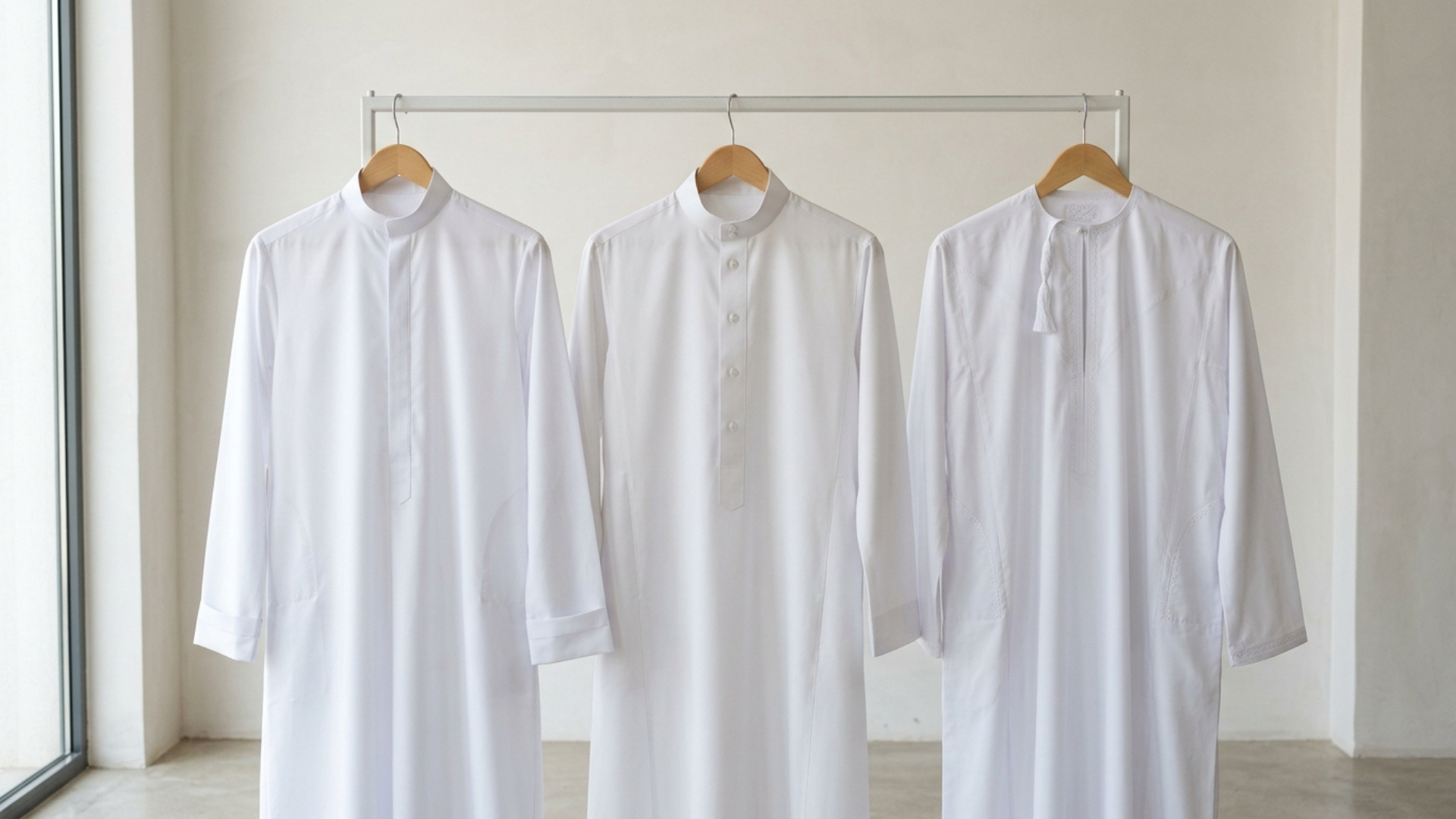
Are They Actually Different or Just Different Names?
The honest answer is: it depends. These three words are sometimes used to describe the same garment and sometimes used to describe genuinely different ones. The confusion comes from the fact that different countries and different communities use different names for what is essentially the same style of traditional dress.
The word changes depending on where you are, but the garment itself can look almost identical. In the UAE, you will hear kandora most often. In Saudi Arabia, thobe is the common term. Dishdasha is used across Kuwait, Oman, and other Gulf countries. Understanding this from the start saves a lot of confusion when you are shopping.
What Is a Kandora and Why Is It the Default in Abu Dhabi?
The kandora is the traditional garment of the UAE and is what most men in Abu Dhabi wear for daily life, work, and formal occasions. It is a long white garment that reaches the ankles, with a distinctive collar style and a clean, minimal cut that is specific to Emirati tradition. The collar on a kandora is usually round or slightly structured and sits close to the neck without being stiff.
The kandora is cut for the Abu Dhabi lifestyle — it is designed to be comfortable in the heat, easy to move in, and presentable in any setting. The fabric, length, and fit details are what separate a well-made kandora from an average one. If you are living or spending time in Abu Dhabi, the kandora is the most practical and culturally appropriate choice for everyday wear.
What Is a Thobe and How Is It Different?
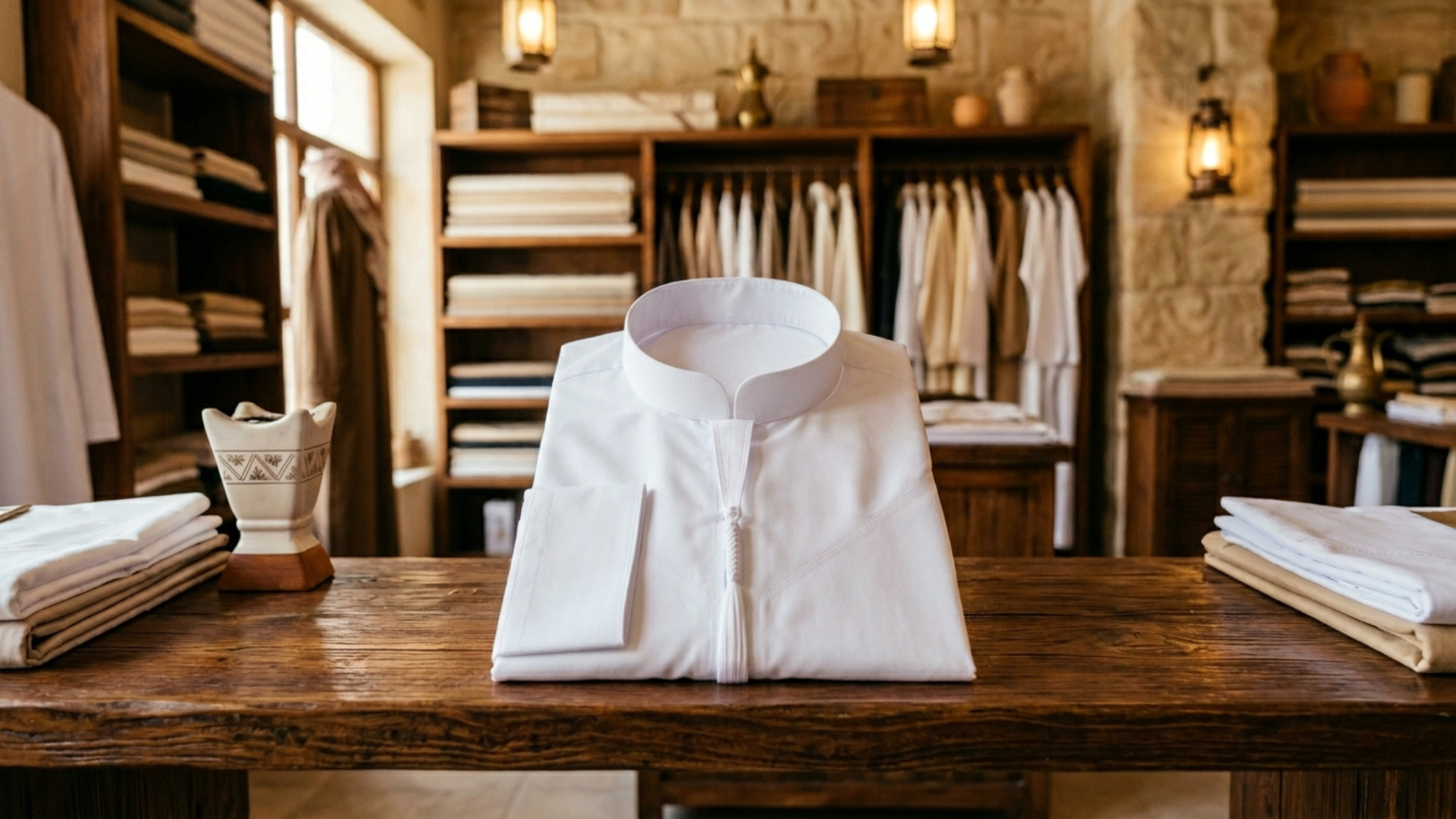
The thobe is the same style of full-length traditional garment but is the term most commonly used in Saudi Arabia and parts of the wider Arab world. The cut and silhouette are similar to a kandora, but there are differences in collar style, sleeve cut, and sometimes the way the garment is finished at the hem and cuff. Saudi thobes often have a more structured collar and can come in a wider range of colors beyond white.
The practical difference between a kandora and a thobe comes down to the cut details and the regional tradition behind each one. For men in Abu Dhabi, a thobe from another region can still be worn and will look respectable, but it may sit slightly differently on the body compared to a kandora made specifically for the UAE style. From my experience working with Arabic garments, most men who know both can spot the difference immediately in the collar and the shoulder line.
What Is a Dishdasha and Is It the Same Thing?
Dishdasha is simply another regional name for the same style of traditional dress. It is the term used most commonly in Kuwait, Oman, and Bahrain. The garment itself is similar in shape and purpose to both the kandora and the thobe, but again there are small regional differences in the collar, the embroidery, and the overall cut depending on which country it comes from.
If someone in Abu Dhabi says dishdasha, they are almost always referring to the same garment as a kandora. The word itself is just less commonly used in the UAE. For practical purposes when shopping in Abu Dhabi, kandora is the word you want to use and the style you want to ask for.
Key Differences in Cut, Collar, and Style
This is where it helps to look at the actual differences rather than just the names. Here is what to pay attention to when comparing:
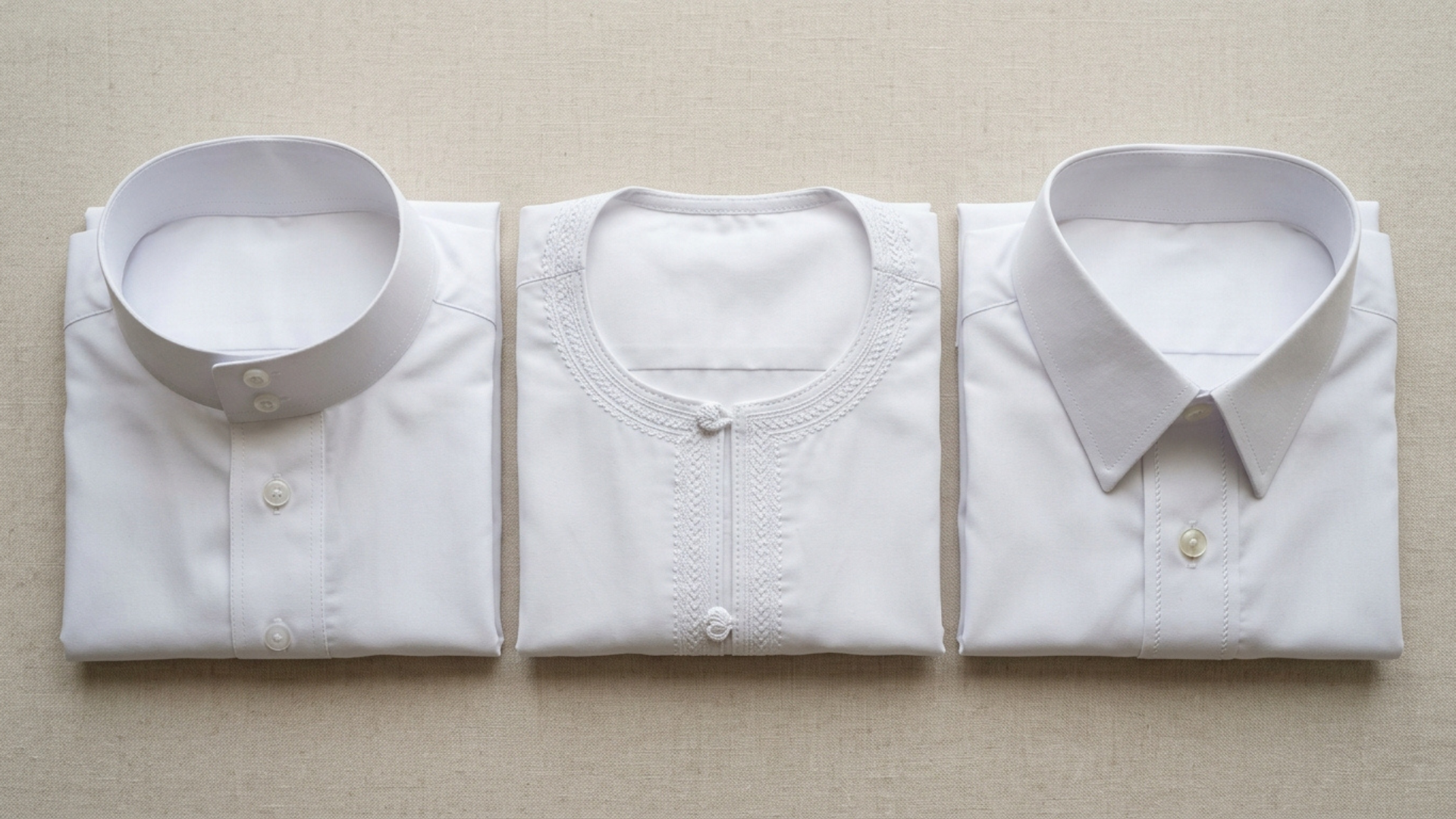
- Collar: The UAE kandora typically has a softer, rounder collar. Saudi thobes often have a more structured, buttoned collar. Omani dishdashas sometimes have a tassel at the collar called a furakha.
- Sleeve: Kandora sleeves are usually wide and relaxed. Thobes from Saudi Arabia can have more fitted sleeves with buttoned cuffs for formal styles.
- Length: All three reach the ankle, but the exact hem length and how it is finished varies by region and maker.
- Color: White dominates all three for everyday and formal wear, but Saudi thobes have a longer tradition of being made in other colors like beige, grey, and blue for casual wear.
- Embroidery: Emirati kandoras are generally minimal with very little embroidery. Omani dishdashas sometimes feature more decorative embroidery around the collar.
Which One Should You Buy in Abu Dhabi?
If you are in Abu Dhabi and you want a garment for daily wear, work, or formal occasions, a kandora made specifically for the UAE style is always the right starting point. It is cut for the climate, fits the local dress culture, and will look correct in any setting from the office to a formal majlis.
My personal advice is simple: buy the garment that is made for where you are and how you live. A well-made kandora in a good breathable fabric will serve you better in Abu Dhabi than an imported thobe that was cut for a different climate or tradition. If you want to explore kandoras made for the Abu Dhabi lifestyle, it is worth taking the time to check the fabric and cut details before buying.
Our Shop
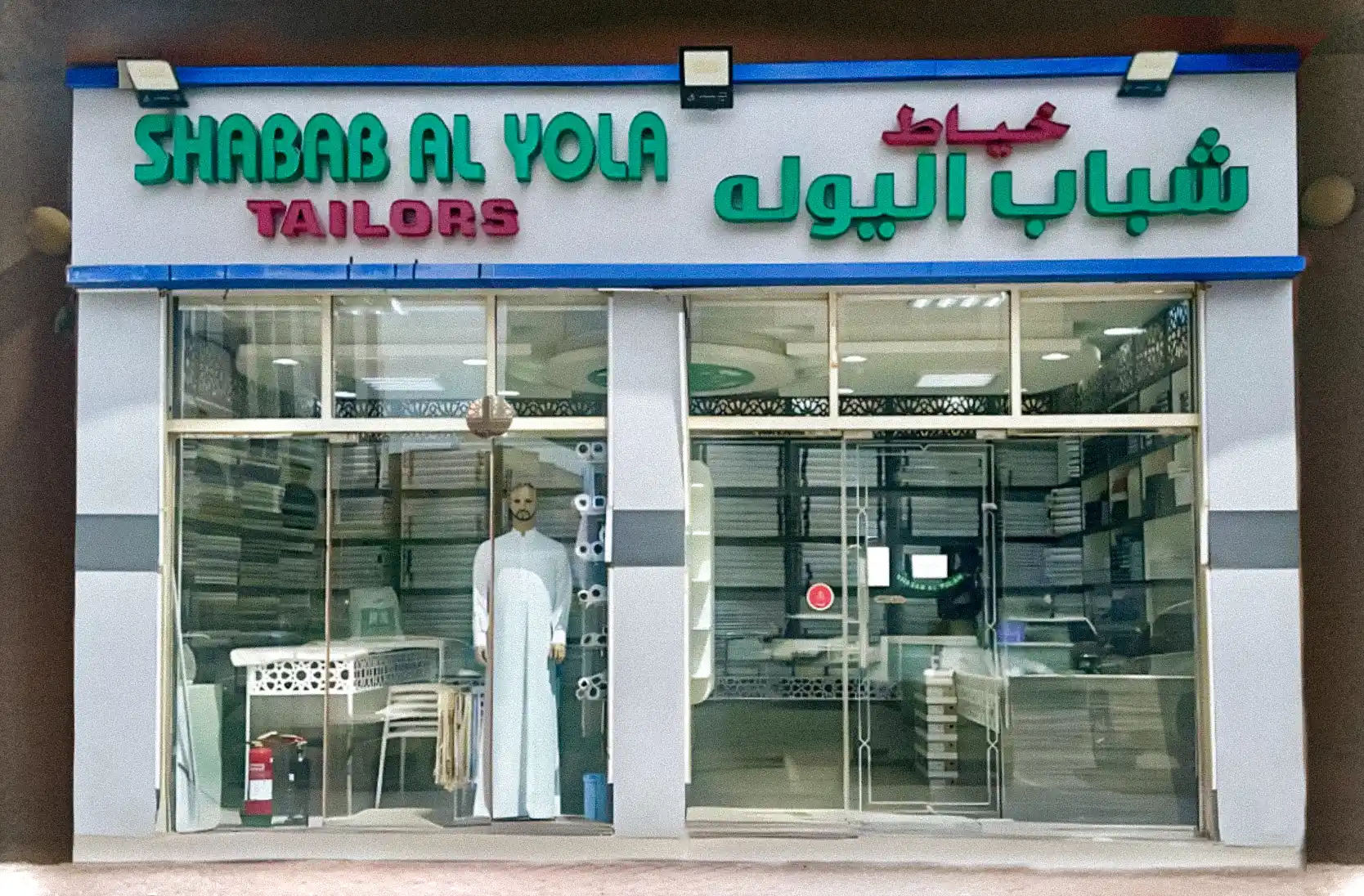
At Shabah Al Yola, we focus on kandoras and thobes that are built for the Abu Dhabi lifestyle. The cut, the fabric, and the finish are all chosen with daily wear and the local climate in mind. If you are looking for a garment that looks right and feels right from the first time you wear it, it is worth stopping by.
Final Thoughts
The names kandora, thobe, and dishdasha can mean the same thing or slightly different things depending on who you ask and where you are. What matters most when buying is not the name on the label but the cut, the fabric, and whether it was made for the lifestyle you actually live.
In Abu Dhabi, a well-made kandora in the right fabric will always be the most practical and most respected choice. Start there and you will not go wrong.
FAQs
What is the difference between a kandora and a thobe? They are the same style of garment but from different regional traditions. Kandora is the UAE term and thobe is more common in Saudi Arabia. The differences are mainly in the collar style, sleeve cut, and finishing details.
Is a dishdasha the same as a kandora? Yes, in most cases. Dishdasha is the term used in Kuwait, Oman, and Bahrain for what is essentially the same garment. In Abu Dhabi, kandora is the correct and most commonly used term.
Which is better for Abu Dhabi, a kandora or a thobe? A kandora made specifically for the UAE style is the better choice for Abu Dhabi. It is cut for the local climate and fits the dress culture of the city naturally.
Can I wear a Saudi thobe in Abu Dhabi? Yes, you can. It will look respectable but may sit slightly differently compared to a UAE kandora due to differences in collar and cut. For daily wear in Abu Dhabi, a kandora is the more natural choice.
Do kandoras only come in white? White is the most common and traditional color, especially for formal and daily wear. Light grey, cream, and soft blue are also worn, particularly for everyday and casual settings.
Where can I buy a good kandora in Abu Dhabi? Look for a shop that specialises in Arabic garments and pays attention to fabric quality and fit. Shabah Al Yola offers kandoras and thobes made specifically for the Abu Dhabi lifestyle.