What Fabric is Used for Kandura, Thobe, and Dishdasha in Winters?
Imtiaz Ahmed - Head of Tailoring Team
Mr. Imtiaz Ahmed is working as a head of tailoring department at Shabab Al Yola. Over nearly two decades, he has worked with local clients across the Gulf and international customers who expect Gulf-standard tailoring delivered to their door. His hands-on experience covers every major regional style, including Emirati, Saudi, Qatari, Kuwaiti, and Omani cuts, along with the fine details that separate a well-made thobe from a great one. At Shahbab Al Yola, Imtiaz personally oversees the construction of every regional silhouette the brand produces. He knows Gulf garment-making inside out and brings that knowledge into every piece the brand produces.
Table of Contents
Table of Contents
Winter kandura, thobe and dishdasha are made mainly from wool and polyester fabrics.
Wool is the first choice because it is warm, soft and breathable. Polyester is a common budget fabric because it is strong, warm, and affordable.
The wool used in the UAE market is imported from China, Korea, Japan, the United Kingdom, Italy and Australia. The same winter fabrics are used for all three garments. In this article, I will cover the four fabric types preferred by men in GCC, and available in our winter collection, listed from the most premium to the most affordable.
- Italian wool (Loreno): The most premium and the most used winter fabric.
- British wool (Montgomery England): Second in the ranking after Italian wool.
- Chinese wool (Rabdan): Third in the ranking, with a premium look at a lower price.
- Indian fabrics (Fedrigo and Legend): The most affordable winter fabrics. Legend is not wool, yet it is still warm and comfortable.
Next, we explain the grading numbers you will see on winter wool.
What Does Super Mean in Wool Fabric?
Super is a grading system for wool. The number after the word Super tells you how fine the wool fibres are. Fineness is measured in microns. A micron is one thousandth of a millimetre. A higher Super number means thinner fibres. Thinner fibres make the fabric softer and smoother. They also give a lighter and more refined feel on the skin. This is why higher Super grades are linked with luxury wool.
Grade | Fibre Diameter | Feel |
Super 110 | Up to about 18 microns | Soft and Smooth |
Super 130 | Up to about 17.5 microns | Finer and Smoother |
Super 150 | Up to about 16 microns | Very Fine & Very Smooth |
Very fine fibres are more delicate. Fabrics with a very high Super number are sensitive but heavier and must be handled carefully.
The Super number describes the fibre only. It says nothing about the weave, the weight or the finishing of the fabric. A Super number written on a label can also differ from the real fabric. Handfeel, GSM, and price give you a clearer picture.
Types of Winter Fabric in Used in UAE
There are hundreds of fabric material in UAE market for winters. But, we will only discuss the most commonly used fabrics for winters that are loved by Emirati nationals. Here they are:
- Italian Wool
- British Wool
- Chinese Wool Blend
- Indian Polyester
Let's discuss each type in detail.
1- Italian Winter Fabrics (Loreno)
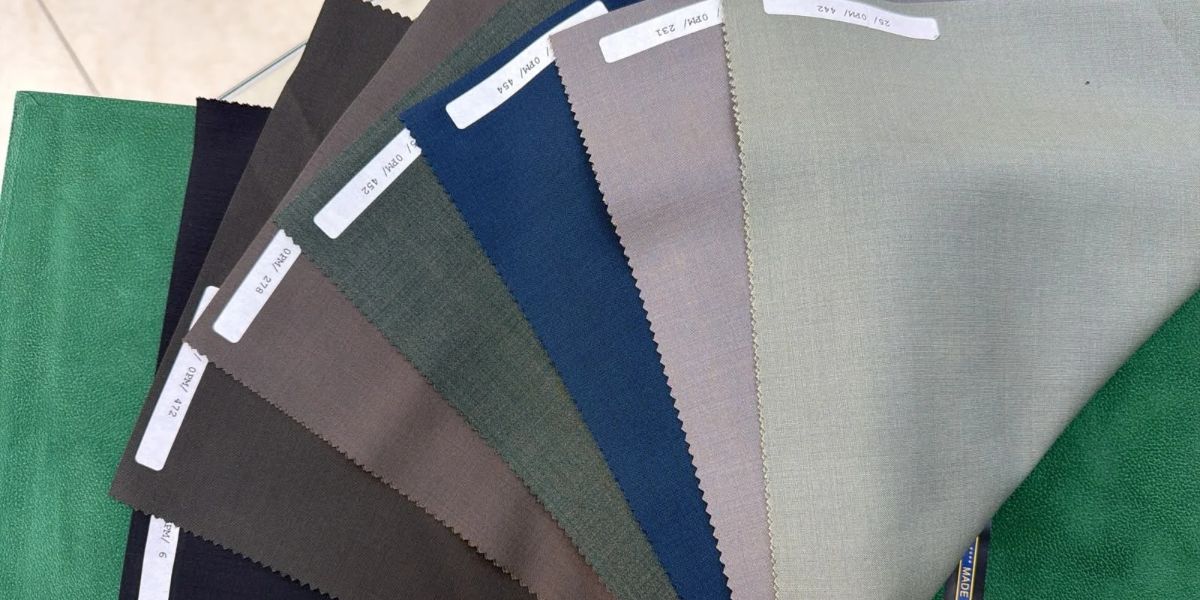
Italian wool is the most premium winter fabric for kandura, thobe and dishdasha. It is also the most used. Italy has a long history of textile weaving, and its fabrics are known for a smooth handfeel and a clean fall. The Italian fabrics in our collection come from the brand Loreno. There are two grades:
- Loreno Super 110: This fabric is written as Super 110 Italian wool. It weight is about 135 grams per square meter, and the price range of the dress made of this fabric is 2,000 to 2,300 AED. It is lightweight and soft, which makes it a good option for everyday winter wear and for cool days.
- Loreno Super 120: This fabric is written as Super 120, but it feels close to Super 150 in the hand. The weight is about 178 GSM and the price range of dress made of Loreno Super 120 is 2,200 to 2,500 AED. It is heavier than the Super 110, so it gives more warmth. It gives more finer feel than Super 110 and is a good pick for formal occasions and colder weather.
Both Loreno grades come in a wide range of shades.
2- British Wool (Montgomery England)
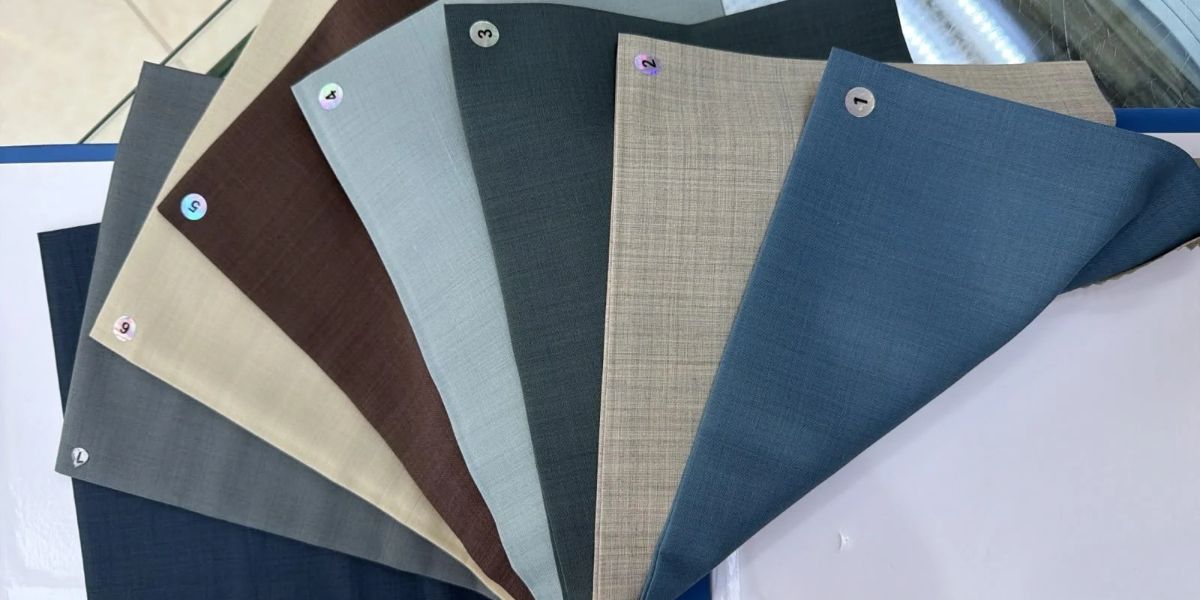
British wool comes second after Italian wool. Montgomery England is the British brand in our collection. Handfeel and weight are the best way to judge how the fabric will perform. The fabric is labelled Super 150. The weight of fabric is only 126.5 GSM and the price range is 1,000 to 1,200 AED.
At 126.5 GSM, this is the lightest fabric in our collection. You can style it in mild winter weather, the cooler weeks at the start and end of the season, and even in peak cold days.
3- Chinese Wool Blend (Rabdan)
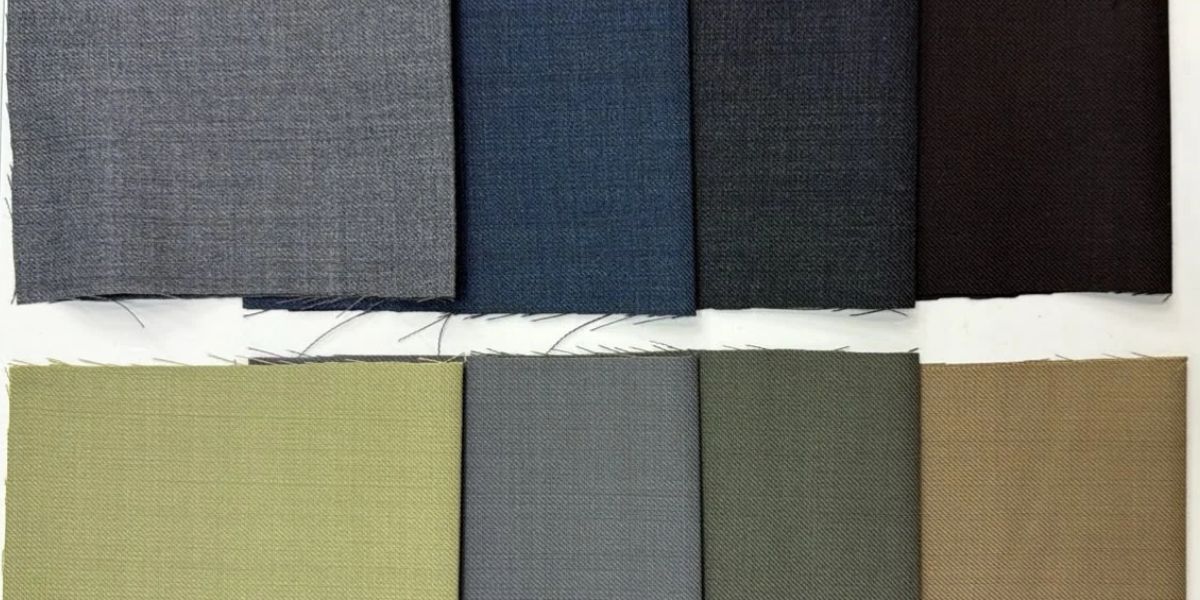
Chinese wool ranks third. Rabdan is the Chinese brand in our collection and it is labelled Super 150. It is made of 60% wool and 40% polyester. The weight of this fabric is about 185 grams per meter square and the price range lies between 800 to 1,000 AED per dress. At 185 GSM, Rabdan is heavier than both Loreno fabrics and the Montgomery fabric, so it feels warm on cold days. It also has the widest range in the collection, with 16 shades.
4- Indian Winter Fabrics (Fedrigo and Legend)
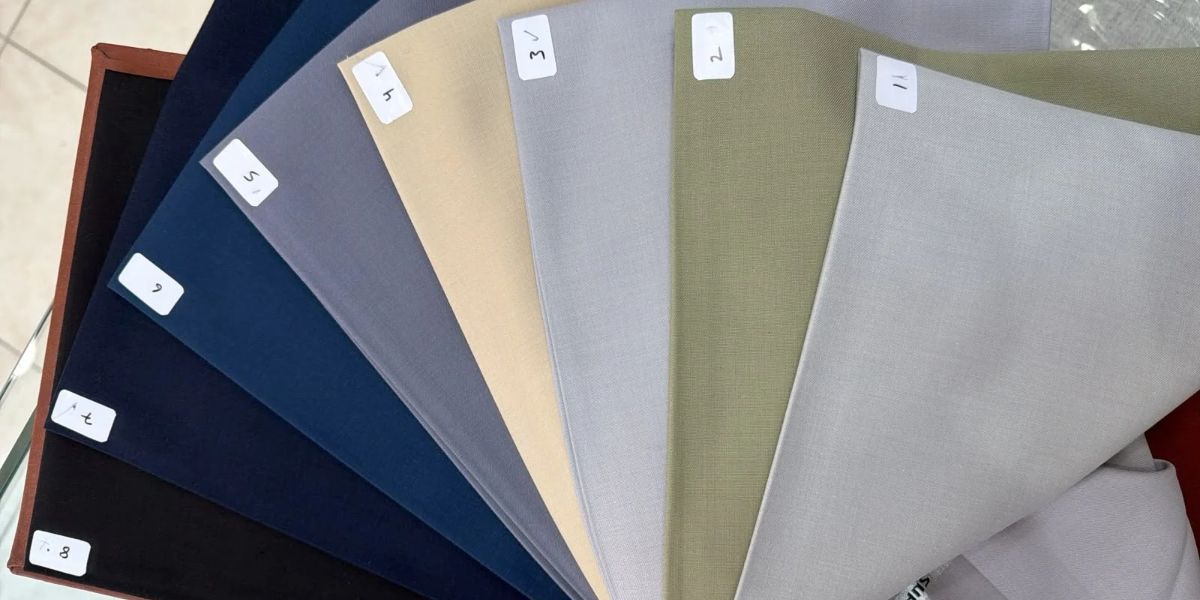
Indian fabrics are the most affordable in the collection. Both are priced at 350 to 450 AED.
Neither carries a Super grade.
- Indian Fedrigo: Fedrigo has a GSM of about 135 and made of polyester. It is a light winter fabric that you can wear for long hours easily.
- Indian Legend: Indian legend is also made of premium polyester. It keeps you warm and comfortable, and it costs less than the wool fabrics in the winter collection. Its GSM is about 208, which is the highest in our collection. That weight gives it good warmth for the price. Indian fabrics suit buyers who want a warm outfit at a low price. They also work well as a second winter set for daily use.
Comparing the Winter Fabrics
Origin | Brand | Super Label | GSM | Price Per Dress |
Italian | Loreno | Super 110 | 135 | 2,000-2,300 AED |
Italian | Loreno | Super 120 | 178 | 2,200-2,500 AED |
British | Montgomery | Super 150 | 125.5 | 1,000-1,200 AED |
Chinese | Rabdan | Super 150 | 185 | 800-1,000 AED |
Indian | Fedrigo | No Label | 135 | 350-450 AED |
Indian | Legend | No Label | 208 | 350-450 AED |
Why Do People Prefer Wool and Polyester in Winter?
Wool and polyester are the two most common fabrics in winter kandura, thobe and dishdasha fabrics. People choose them for different reasons such as warmth, softness, wrinkle-resistant properties, and comfort. Let's see each one in detail.
1- Wool
Wool is a natural fibre that mostly comes from sheep. Its can trap air, which keeps body heat close to the skin. Wool is also breathable and absorbs moisture, so it feels very comfortable when the temperature changes during the day. It has a soft and smooth fall, which gives a kandura or thobe a decent look. The downsides are the higher price and the need for careful cleaning.
2- Polyester
Polyester is a man-made fibre. It is strong, resists wrinkles and holds its shape after many wears. It is easy to wash and costs less than wool. Polyester does not breathe as well as wool, which can matter during long days indoors.
3- Wool and polyester blends
Many winter fabrics mix wool with polyester. The wool adds warmth and softness. The polyester adds strength and wrinkle resistance. Blends are popular because they keep the price lower and make daily care easier.
Where Does Winter Fabric Come From?
Wool in the UAE market is imported from China, Korea, Japan, the United Kingdom, Italy and Australia. The country of origin matters because each mill has its own weaving standards and finishing methods. These details change how a fabric feels and how well it holds up over time. Our winter collection has fabrics from Italy, the United Kingdom, China and India.
How to Care for Winter Kandura, Thobe and Dishdasha
- Dry clean wool and wool blend garments and follow the care label.
- Polyester fabric can be washed in luke warm water but do not tumble dry it.
- Steam the garment or press it on low heat.
- Store it on a hanger in a breathable garment cover.
- Keep moth repellents in the wardrobe.
- Let the garment air out for a day between wears.
Frequently Asked Questions
1- Which fabric is best for kandura in winter?
Italian wool is the most premium and the most used choice winter fabric. Loreno Super 110 suits lighter winter days and Loreno Super 120 suits colder days.
2- Is Super 150 always better than Super 110?
Super 150 has finer fires, so it usually feels softer. Finer fibres are also more delicate. The weave, the GSM and the quality of the mill matter too. Must check these things before buying.
3- Is polyester suitable for winter thobes?
Yes. Polyester is widely used in winter fabrics, mostly in blends with wool. It provides strength and wrinkle resistance properties to the fabric.
4- What GSM is best for winter wear?
It depends on the weather and your own comfort. If you love lightweight fabric go for fabric with GSM range bewteen 120 to 160. If you like heavier fabric, choose a fabric with GSM 170 to 210.