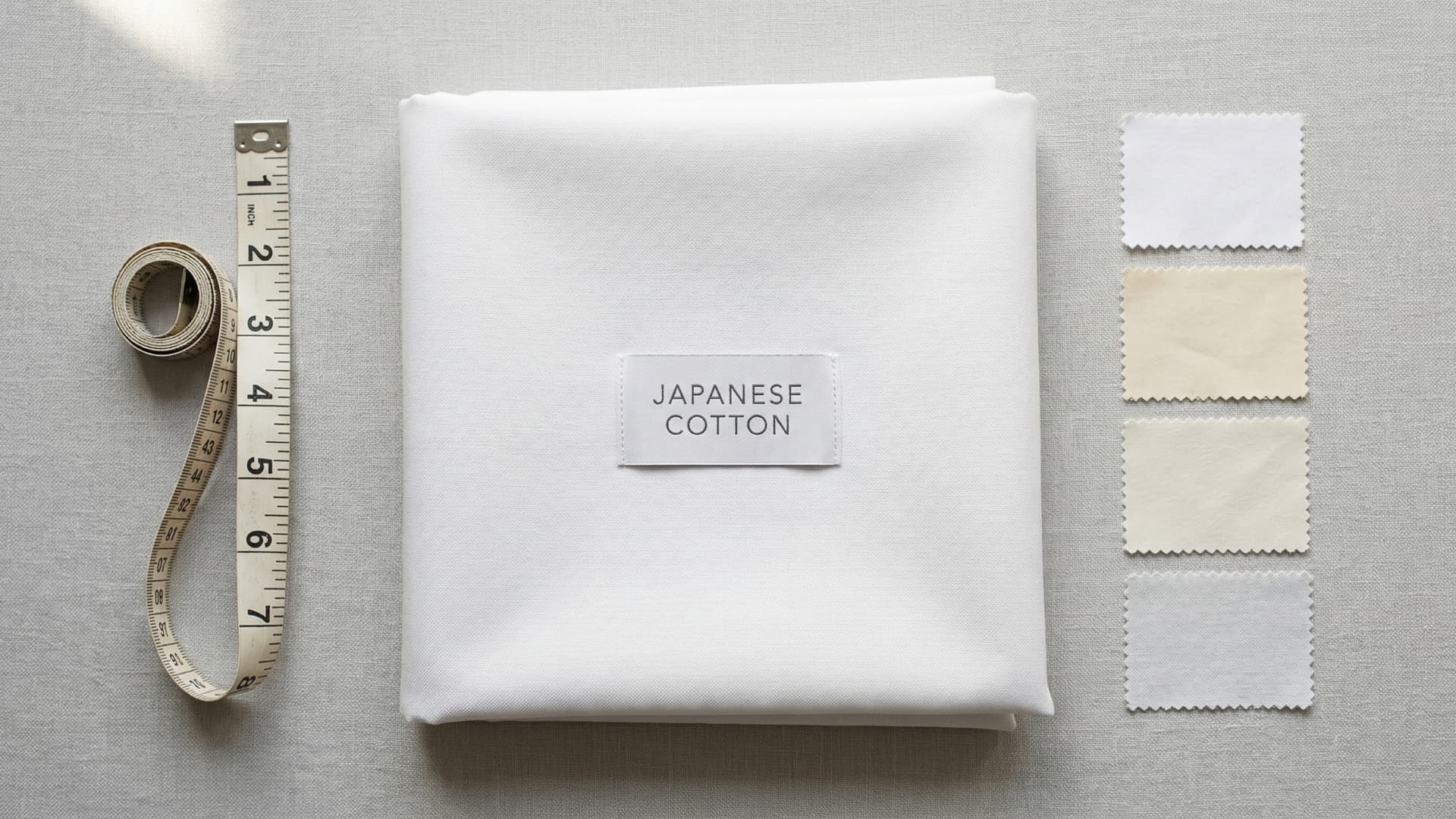
Why Japanese Fabric Makes the Best Kandora and Thobe
Shabab Al Yola Teams
Table of Contents
Table of Contents
Why Japanese Fabric Makes the Best Kandora and Thobe
A good kandora or thobe should feel comfortable, look neat, and be easy to wear for long hours. But here is the thing many people do not notice at first: the fabric can completely change how your kandora feels and looks.
From my experience with Arabic garments, fabric is one of the first things you should check before buying a kandora or thobe. If the fabric is too heavy, rough, or low quality, it may not feel comfortable after a few hours or sit properly on the body. This is why many people choose Japanese fabric kandoras and thobes, especially in warm places like Abu Dhabi, including styles like a japanese thobe or even a japanese cotton thobe for better comfort.
What Is Japanese Fabric?
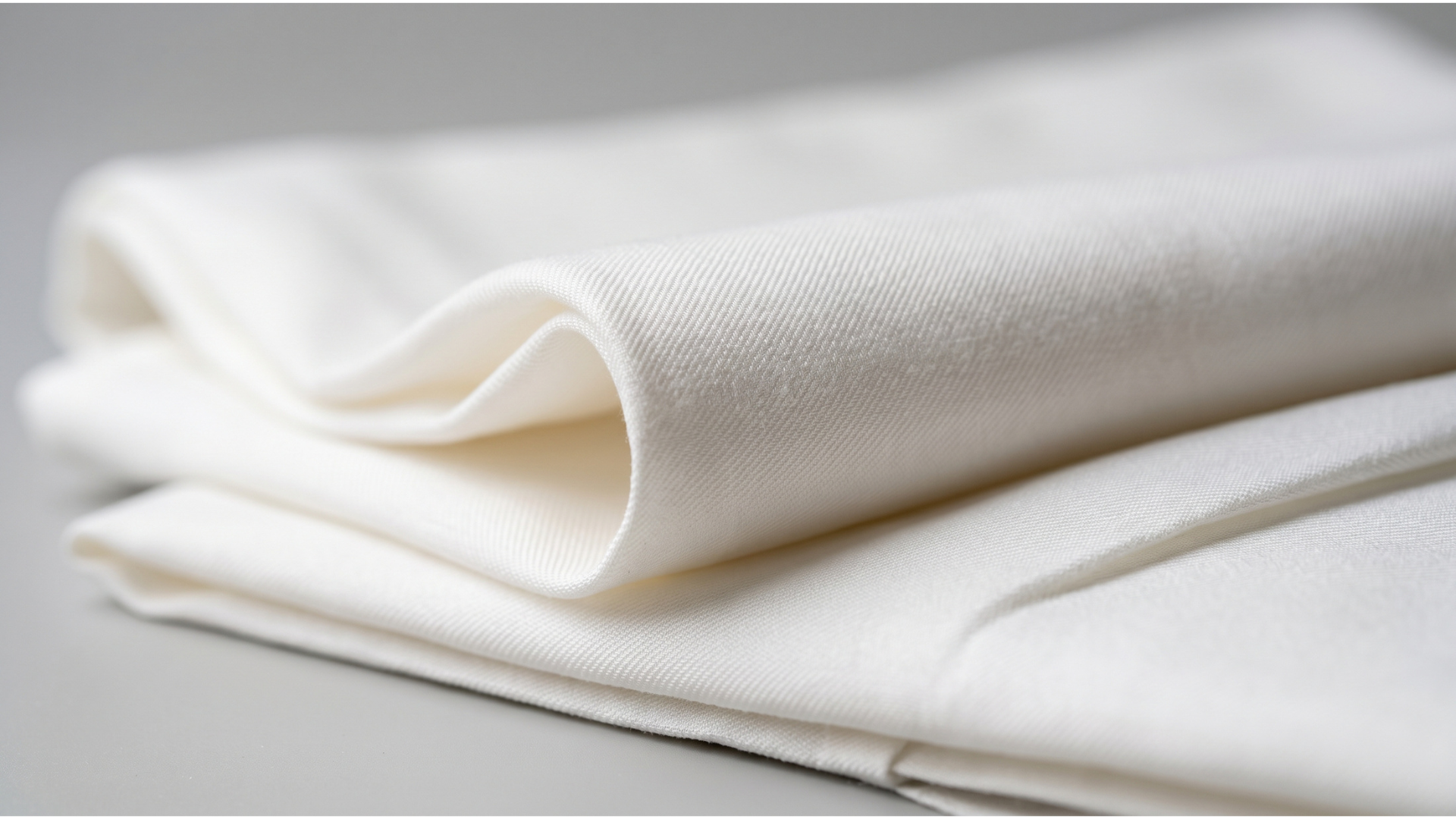
Japanese fabric is a premium fabric commonly used for making high-quality kandoras and thobes. It is known for its soft texture, smooth finish, and neat appearance, making it a popular japanese thobe fabric choice.
But what does that actually mean for you? Think of it this way: two kandoras can have the same design and stitching, but the one made with better fabric will usually feel smoother, sit better on the body, and look cleaner after stitching. That is why the fabric should never be ignored when choosing a kandora or thobe.
This is where Japanese fabric stands out. It gives a good balance of comfort, quality, and elegance, which is exactly what most men look for when buying a kandora or thobe for daily wear, prayers, work, or special occasions. Japanese textile names like Toyobo and Shikibo are often mentioned when people talk about Japan’s focus on fabric quality and the best fabric for thobe options.
Why Should You Choose Japanese Fabric?
When choosing a kandora or thobe in Abu Dhabi, the fabric makes a bigger difference than most people think, especially when considering a japanese cotton thobe fabric or other japanese thobe fabric options.
- Comfort comes first: The fabric decides how the outfit feels on your body, especially when you wear it for long hours.
- The final look matters: A good fabric helps the kandora or thobe look cleaner and more polished after stitching.
- Regular use becomes easier: The right fabric helps the outfit stay in good condition even after you wear it again and again.
- A good balance in one fabric: Japanese fabric gives you comfort, neatness, and quality together.
- Suitable for different occasions: Japanese fabric feels smooth, looks clean, and works well for both daily wear and special occasions.
- Elegant without feeling heavy: If you want comfort without losing elegance, Japanese fabric is one of the best fabric for thobe choices available.
- Made for Abu Dhabi lifestyle: This is why it is a smart choice for men who want a kandora or thobe that is simple, elegant, comfortable to wear, and suitable for daily life in Abu Dhabi.
Light and Breathable in Warm Weather
A kandora or thobe should not only feel soft, it should also feel comfortable in warm weather. This is especially important in Abu Dhabi, where you need fabric that does not feel heavy or trap too much heat. If the fabric does not allow air to pass through, it can make you feel hot and uncomfortable.
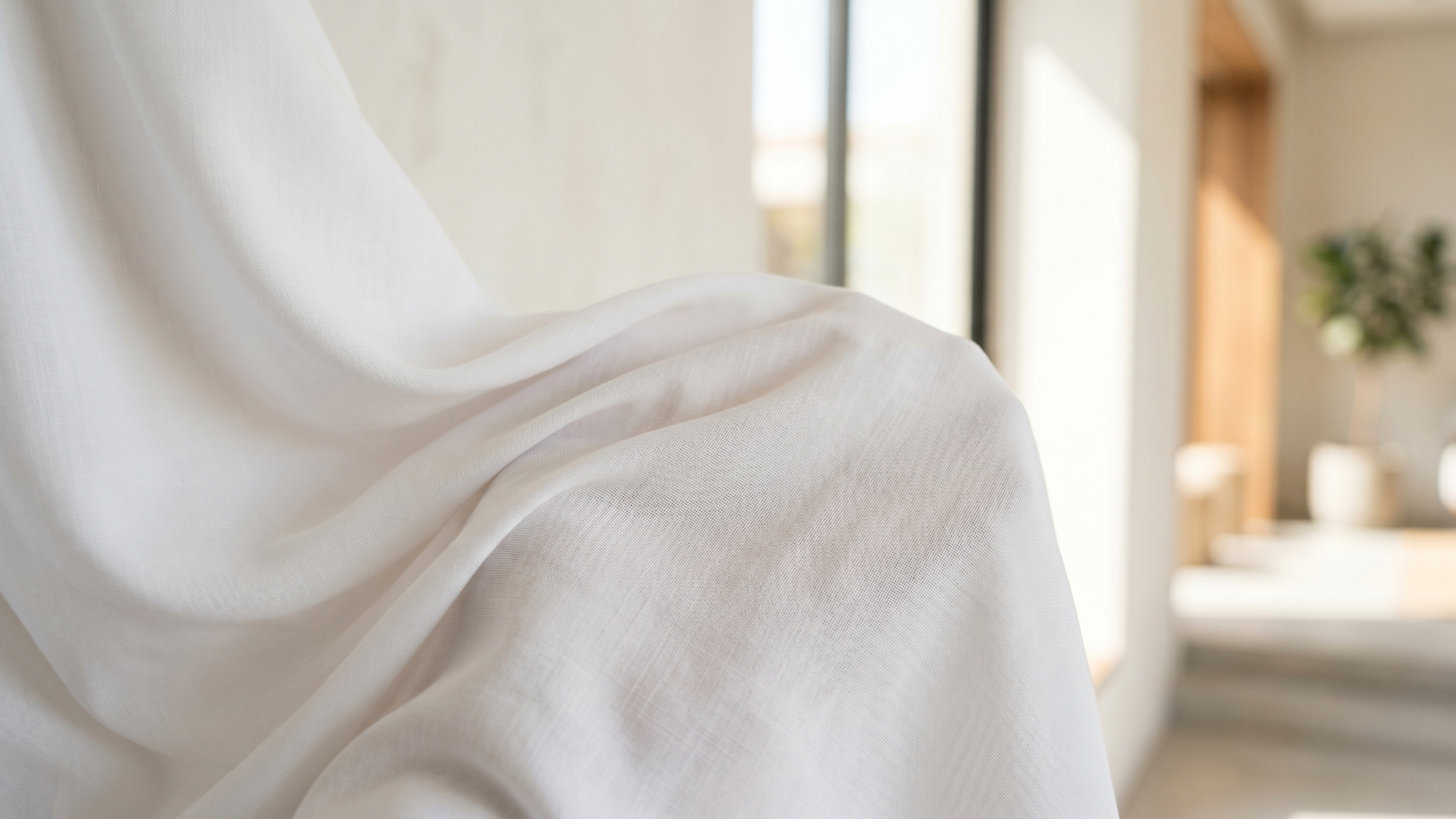
Japanese fabric is a good choice because it feels light and breathable. It works well as a breathable fabric for kandoras and thobes, and is often preferred in a japanese fabric thobe or other japanese thobes, helping the outfit stay easy to wear during long days, outdoor use, prayers, or daily work.
This makes it a practical choice if you want comfort without losing the clean and elegant look of your kandora or thobe. For warm weather, I would always recommend choosing a fabric that feels light, smooth, and easy to wear for hours.
Neat Look Without Extra Effort
The fabric can change the whole look of a kandora or thobe more than many people realize. A kandora may have good stitching, but if the fabric wrinkles quickly, feels too stiff, or does not fall properly, it can still look less neat when you wear it.
It has a smooth and clean finish that helps the kandora or thobe fall nicely on the body. It keeps the outfit looking smart and polished without making it look too shiny, stiff, or overdone, which is why many consider it among the best fabric for thobe choices.
This makes Japanese fabric a good choice if you want a kandora or thobe in Abu Dhabi that looks simple, neat, and well-finished for daily wear, prayers, work, or special occasions.
Can You Wear It Every Day?
Yes, you can wear a Japanese fabric kandora or thobe every day because it is made to feel comfortable and handle regular use. A kandora or thobe is something you may wear again and again, so the fabric should be strong enough to keep its shape and neat look, especially in a well-made japanese thobe.
Japanese fabric is known for its good quality and smooth finish. If cared for properly, it can stay presentable for longer and does not lose its look too quickly. This makes it a reliable choice for daily wear, especially if you want a kandora or thobe that feels comfortable, looks clean, and stays neat after many wears.
Where to Buy Japanese Fabric Kandora and Thobe in Abu Dhabi?
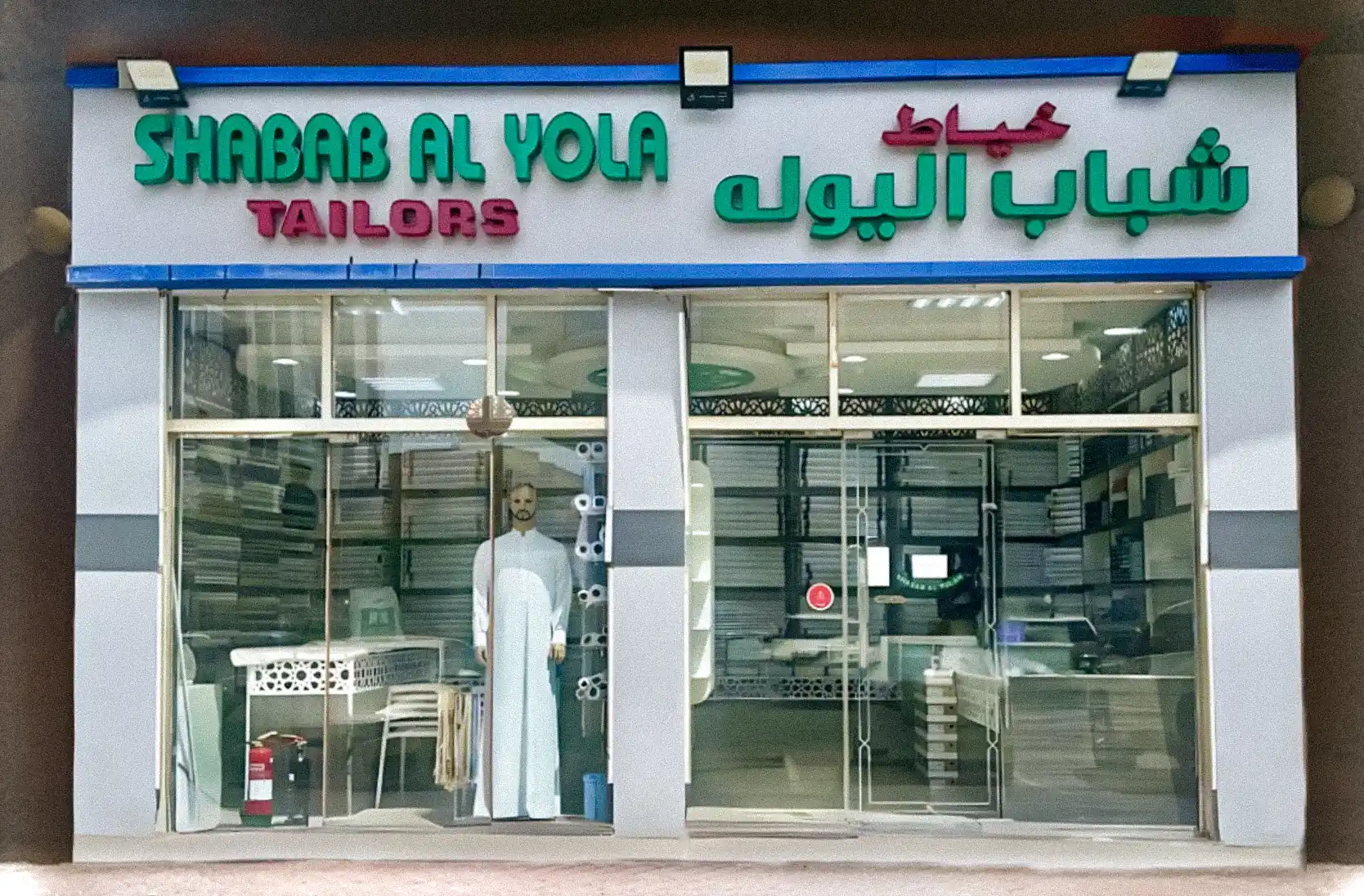
If you are looking for a Japanese fabric kandora or thobe in Abu Dhabi, you can visit Shabah Al Yola Arabic garments for help with choosing the right fabric and style. You can contact our tailor for guidance or visit the shop شارع هزاع بن زايد - Al Nahyan - E19 02 - Abu Dhabi for in-person help.
Japanese fabric is a good choice if you want a kandora or thobe that feels soft, looks neat, and is easy to wear for long hours. It gives a clean finish, sits nicely on the body, and works well for daily wear, prayers, work, or special occasions in Abu Dhabi. At Shabah Al Yola Arabic garments, you can find kandoras and thobes made with quality fabric, including thobe fabric from Japan, and our tailor can guide you in choosing the right option for your comfort, style, and daily use.
Easy to Keep Fresh and Clean
A good kandora or thobe should not be difficult to look after. When you wear it often, you need a fabric that stays neat with normal care. If the fabric wrinkles too quickly or loses its shape after washing, it becomes harder to keep the outfit looking fresh.
Japanese fabric is usually easier to maintain because it holds its clean look well with proper care. It does not feel like a fabric that needs too much effort every time you wear it, which is important if you use your kandora or thobe regularly, especially with japanese thobes used daily.
This makes it a practical choice for daily use, especially if you want your kandora or thobe to look fresh, clean, and ready to wear without too much hassle.
Will It Feel Light for Long Hours?
Yes, Japanese fabric can feel light and comfortable for long hours, which is important when you wear a kandora or thobe for work, prayers, walking, sitting, or daily use. A fabric may look good when you first see it, but the real test is how it feels after a few hours.
If the fabric is too heavy, rough, or irritating, you will notice it quickly, especially in warm weather. Japanese fabric gives a softer and smoother feel, which is why I would recommend it for daily wear. It helps the kandora or thobe feel light on the body without looking loose or casual, making it a comfortable choice for work, prayers, gatherings, or everyday use, including a japanese cotton thobe.
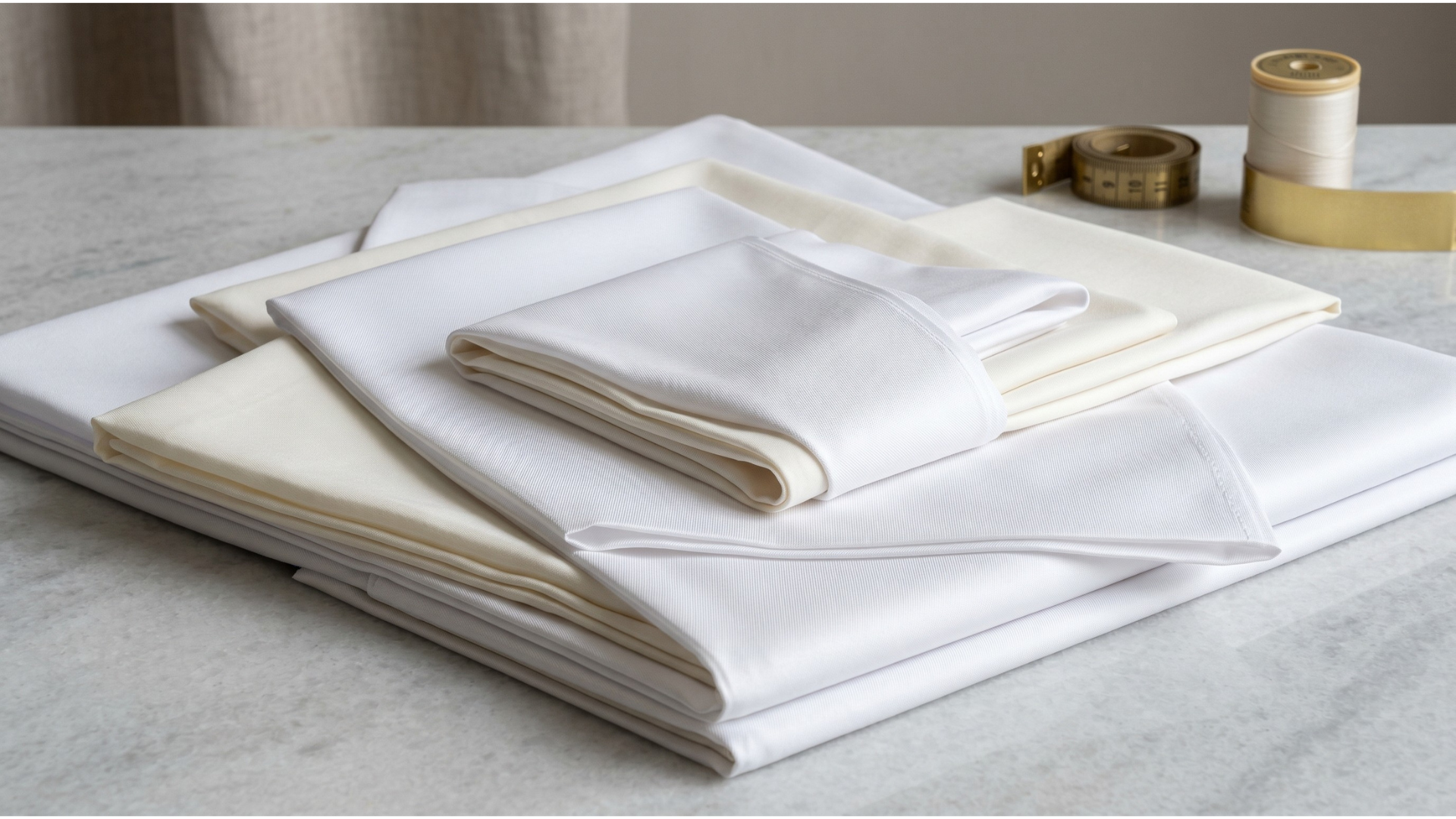
My Final Advice
Japanese fabric is a good choice for kandoras and thobes because it gives you comfort, quality, and a clean look in one fabric. It feels soft, sits nicely on the body, and is easy to wear for long hours.
Whether you need a kandora or thobe for daily use, prayers, work, or special occasions in Abu Dhabi, Japanese fabric gives you a better wearing experience. It helps the outfit look neat without making it feel heavy or uncomfortable.
My personal advice is simple: when buying a kandora or thobe, do not only look at the design or stitching. Pay attention to the fabric first, because that is what you will feel the whole day. So, if you want a kandora or thobe that looks simple, feels comfortable, and stays presentable, Shabah Al Yola Arabic garments are definitely worth choosing.
FAQs
Is Japanese fabric comfortable for daily wear? Yes, Japanese fabric feels soft and smooth, so it is comfortable to wear for long hours.
Can I wear a Japanese fabric kandora in Abu Dhabi weather? Yes, you can. Japanese fabric feels light and breathable, which makes it a good choice for warm weather in Abu Dhabi.
Does Japanese fabric make a kandora look better? Yes, it can. Japanese fabric has a clean finish and falls nicely on the body, so the kandora looks neat and polished.
Is Japanese fabric worth it for a thobe? Yes, it is worth it if you want a thobe that feels comfortable, looks clean, and stays presentable with proper care.